
Workforce Analytics: Types, Benefits & Real-World Examples

Sometimes the biggest surprises in your business are hiding right in your employee data. If you've ever wondered why certain shifts always run late or how much absenteeism costs, you're closer to an answer than you think.
Workforce analytics enables you to transform everyday timecards and schedules into powerful tools for informed decision-making. It's also a rapidly growing field; the global workforce analytics market, valued at $2.14 billion in 2023, is expected to grow at a 15.3% CAGR through 2030 as more organizations invest in data-driven workforce strategies.
With the right approach, workforce analytics can help you identify trends, address problems before they escalate, and make every shift count.
Main Takeaways:
- Workforce analytics turns employee data into insights that improve staffing, reduce costs, and boost productivity
- Key types include labor market, recruitment, performance management, and employee engagement analytics
- Benefits include better talent management, lower labor costs, higher engagement, and stronger decisions
- Many industries use workforce analytics to improve scheduling, efficiency, and overall performance
- Synerion's workforce analytics tools make it easy to get real-time insights that cut costs, save time, and guide better choices
What Is Workforce Analytics?
Workforce analytics is the practice of collecting and analyzing employee data to make smarter business decisions. It transforms raw time and attendance information into actionable insights about productivity, costs, and staffing needs.
Workforce analytics encompasses everything from basic attendance tracking to sophisticated predictive modeling. You can use it to spot trends in overtime, identify scheduling gaps, and forecast future labor requirements.
Most organizations collect workforce data but struggle to use it effectively. Proper workforce analytics turns this information into a strategic advantage. In fact, 83% of companies still have low people analytics maturity, highlighting the gap between data collection and actionable insights.
How Workforce Analytics Works: From Data to Action

Workforce analytics is an ongoing, step-by-step process that turns raw employee data into strategies that improve staffing, productivity, and cost control. The process moves through four key stages:
1. Data Collection
Every workforce analytics program starts with gathering accurate, relevant information from across your systems. This might include:
- Biometric time clocks for precise attendance tracking
- Mobile apps that let employees clock in from anywhere
- Scheduling software to track shift assignments and coverage
- Survey tools to measure employee feedback and engagement
Collecting this data from multiple sources creates a complete picture of how your workforce operates day to day.
2. Data Analysis
Once you have reliable data, the next step is to look for trends and connections between metrics. For example, you might find that certain departments consistently run overtime on specific days. These insights make it easier to spot inefficiencies and opportunities for improvement.
3. Predictive Analytics
The most advanced form of workforce analytics uses historical data to forecast future trends. This helps you anticipate staffing needs, budget for labor costs, and prevent potential problems.
Predictive capabilities help answer questions like:
- Staffing needs: How many people will we need next quarter?
- Absenteeism: When are we likely to experience coverage gaps?
- Labor costs: Where will we see overtime spikes?
4. Actionable Insights
The final stage is turning analysis into action. A good workforce analytics solution delivers these insights through easy-to-use dashboards, automated alerts, and detailed reports so managers can:
- Adjust staffing levels based on projected demand
- Address problem areas before they affect performance
- Track the impact of changes over time
By moving from raw data to clear, data-driven action, workforce analytics becomes a powerful tool for improving both daily operations and long-term strategy.
What Are the Different Types of Workforce Analytics?

Workforce analytics can be applied in several ways, each focusing on a different aspect of workforce management. Here are four key types:
Labor Market Analytics
Labor market analytics examines external factors such as regional wage rates, talent availability, and industry trends.
- Purpose: Helps organizations remain competitive in hiring and compensation by understanding the broader labor market.
- Common Data Sources: Government labor statistics, industry wage reports, competitor job postings, and economic forecasts.
Recruitment Analytics
Recruitment analytics measures the efficiency and effectiveness of your hiring process.
- Purpose: Identifies which recruitment channels bring in the best candidates at the lowest cost.
- Common Metrics: Time-to-fill, cost-per-hire, source effectiveness, offer acceptance rate, candidate quality scores.
Performance Management Analytics
Performance management analytics connects employee activities and behaviors to business outcomes.
- Purpose: Pinpoints top performers, identifies areas for improvement, and helps replicate success across teams.
- Common Metrics:
- Productivity data (output per hour or shift)
- Quality metrics (error rates, customer satisfaction scores)
- Attendance patterns (punctuality, reliability)
- Goal achievement (progress toward targets)
Employee Engagement Analytics
Employee engagement analytics measures workforce satisfaction, motivation, and overall engagement.
- Purpose: Detects retention risks early and guides improvements to workplace culture.
- Common Data Sources: Employee surveys, feedback sessions, exit interviews, behavioral indicators (PTO usage, turnover trends).
What Are the Top Benefits of Workforce Analytics?

Implementing workforce analytics delivers tangible advantages for your business and workforce management strategy.
Smarter Talent Management
Workforce analytics helps you identify high-potential employees and those who might need additional support. This allows for more targeted development and coaching.
You can spot patterns in performance data to understand what makes your top employees successful. These insights help you replicate success across your organization.
Lower Labor Costs
One of the most immediate benefits of workforce analytics is cost reduction. By analyzing overtime trends, absenteeism patterns, and scheduling inefficiencies, you can significantly reduce labor expenses.
Many organizations see savings through:
- Reduced overtime: Identifying and addressing chronic overtime situations
- Better scheduling: Matching staffing to actual demand
- Decreased turnover: Improving retention through better engagement
- Optimized labor mix: Using the right combination of full-time, part-time, and contingent workers
Improved Employee Engagement and Retention
Workforce engagement analytics helps you understand what keeps employees satisfied and motivated. This insight allows you to create better policies and work environments.
By tracking engagement metrics alongside attendance and performance data, you can spot early warning signs of potential turnover and take preventive action.
Stronger Decision-Making
Workforce management analytics replaces guesswork with data-driven insights. This leads to more confident decisions about scheduling, staffing, and policy changes.
Real-time dashboards and alerts help managers respond quickly to emerging issues before they become major problems.
What Are Some Real-World Applications Of Workforce Analytics?
Different industries apply workforce analytics in unique ways to address their specific challenges.
Manufacturing
In manufacturing, workforce analytics helps identify where overtime is creeping up and why. By analyzing production schedules alongside staffing data, managers can make informed adjustments that reduce costs without slowing output.
- Pinpoint shifts and lines with chronic overtime
- Adjust staffing levels based on historical demand
- Maintain production targets while lowering overtime costs
Healthcare
In healthcare, patient care depends on having the right staff at the right time. Analytics reveals patterns in call-outs and time-off requests, enabling proactive scheduling during high-risk periods.
- Monitor trends in absences and leave requests
- Predict and plan for potential coverage gaps
- Strengthen patient care with better shift coverage
Retail
Retailers use workforce analytics to align labor hours with customer traffic and sales patterns. This prevents overstaffing when business is slow and ensures adequate coverage when it's busy.
- Compare staffing levels to sales and foot traffic data
- Eliminate wasted labor hours during slow periods
- Improve customer service during peak demand
Logistics
In logistics, timeliness is critical. Analytics uncovers shifts or departments with higher tardiness rates and guides targeted interventions to keep operations on track.
- Track punctuality trends by team or shift
- Provide coaching or adjustments for problem areas
- Maintain on-time deliveries and operational efficiency
How to Implement a Workforce Analytics Program
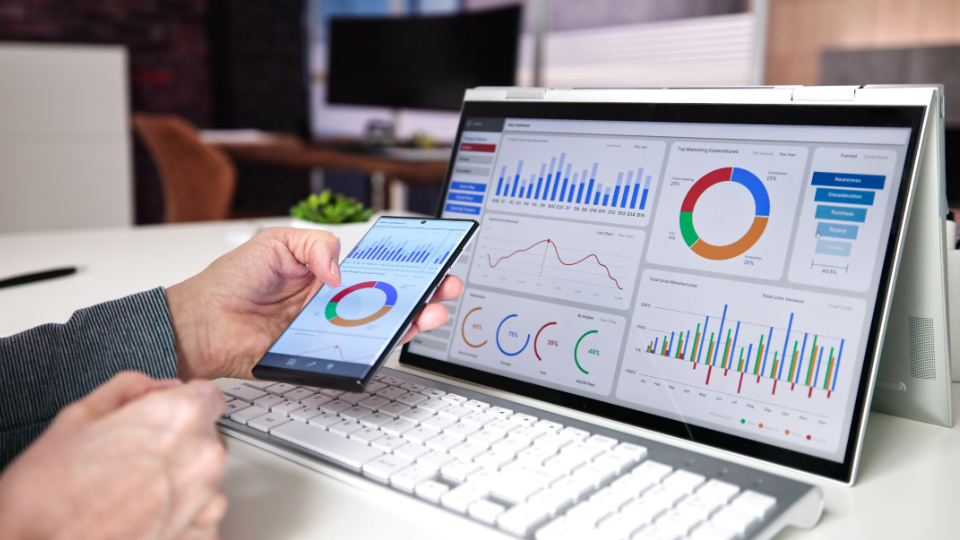
Launching a workforce analytics program requires clear goals, the right tools, and strong stakeholder support. A thoughtful approach ensures you see value quickly and build momentum for long-term success.
1. Define Clear Objectives And Start Small
Successful workforce analytics implementation starts with clear, measurable goals and a phased approach. Focus on solving one high-impact problem at a time instead of trying to overhaul everything at once.
Good starting points include:
- Reducing overtime in a specific department
- Improving schedule adherence
- Decreasing unplanned absences
- Optimizing staffing levels for peak periods
2. Ensure Data Accuracy and Standardization
Analytics is only as good as the data behind it. Standardize data collection processes across departments, ensure time and attendance entries are accurate, and run regular audits. This prevents inconsistencies that could skew results and helps build trust in your analytics from day one.
3. Choose The Right Tools And Technology
Select workforce analytics software that integrates with your existing systems and provides the insights you need. Look for solutions that offer both standard reports and customizable analytics.
Key features to consider include:
- Real-time dashboards: For immediate insights
- Mobile access: For on-the-go decision making
- Alert functionality: To notify managers of issues
- Integration capabilities: To connect with your time and attendance, scheduling, and payroll systems
4. Drive Adoption Through Buy-In, Training, and Transparency
Engage key stakeholders from HR, operations, and finance early in the process. Clearly communicate the benefits, be transparent about what data is collected and why, and reassure employees that insights focus on aggregate trends, not individual monitoring. Provide targeted training and choose tools with user-friendly dashboards so managers and staff can act on insights without technical expertise.
5. Launch with Small Wins and Expand Strategically
Start with one department or use case, measure results, and share the success stories across the organization. Demonstrating early wins builds momentum, reduces resistance to change, and sets the stage for expanding your analytics program to more functions, metrics, and advanced use cases over time.
Power Workforce Decisions With Synerion's Analytics Tools
Workforce analytics transforms how you manage your people and operations. With Synerion's analytics solutions, you gain enterprise-grade insights without enterprise-level complexity or cost.
Our workforce analytics solution provides real-time visibility into labor trends, scheduling efficiency, and compliance risks. You'll spot opportunities to reduce costs, improve productivity, and enhance employee satisfaction.
Synerion's approach combines powerful analytics with practical usability. Our dashboards and reports are designed for busy managers, not data scientists. We help you turn complex workforce data into clear actions.
Take the next step toward data-driven workforce management. Request a demo with Synerion today.