
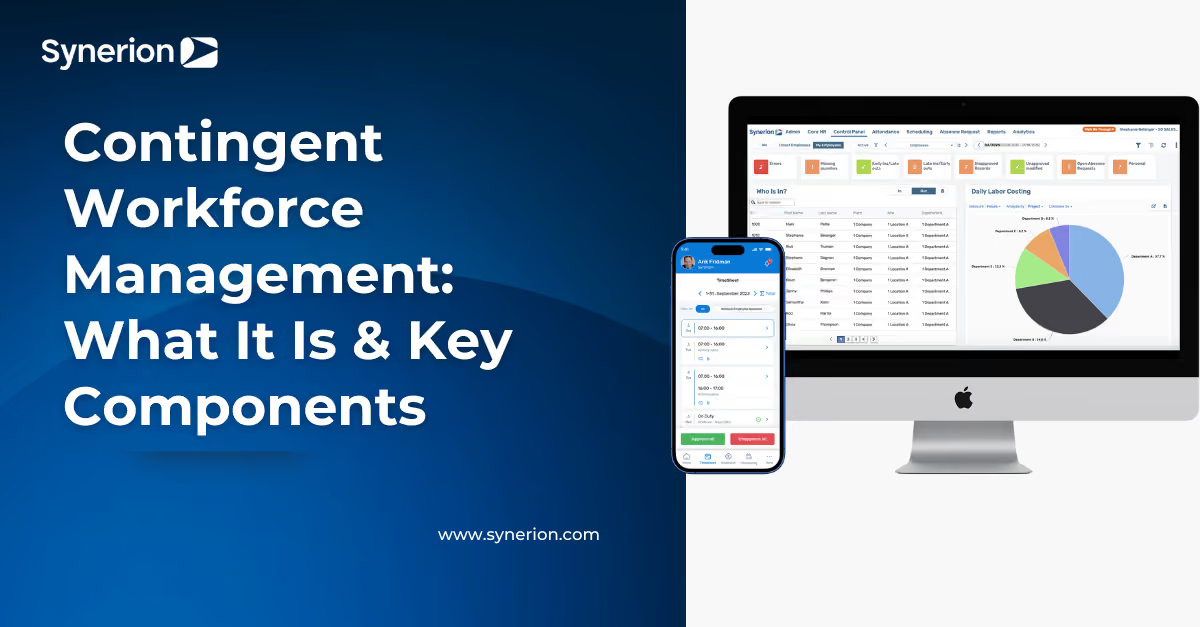
Contingent Workforce Management: What It Is & Key Components

Many teams use more than full-time employees. Your business likely depends on freelancers, contractors, and temporary workers.
In fact, around 35% of the US workforce is contingent, a number projected to rise significantly by 2032. Managing these workers can be difficult and can affect how your business runs.
Contingent workforce management helps you organize, track, and support every worker. Strong management makes your business flexible, efficient, and ready for change.
Main Takeaways:
- Contingent workforce management helps organizations find and manage non-permanent workers. These workers include contractors, freelancers, and temps.
- Good contingent labor management improves cost control, compliance, scalability, and quality. Standard processes and simple tools make this possible.
- Key parts include sourcing talent, onboarding, scheduling, compliance, labor costing, and performance tracking. These steps create a smooth experience for your business and your workers.
- Modern workforce management software makes scheduling, time tracking, compliance, and cost tracking easier. It also reduces extra work and lowers the chance of errors.
- Strong planning and real-time visibility keep your contingent workforce aligned with business goals. These tools also help your team adjust quickly when things change.
What Is Contingent Workforce Management?
Contingent workforce management is the overseeing of workers who are not permanent employees. These workers include contractors, freelancers, temps, gig workers, and seasonal staff. The process covers finding them, onboarding them, tracking their work, and paying them. It also makes sure their work supports your business goals.
Good management gives your business more flexibility. It helps you bring in special skills when you need them. It also lowers costs compared to full-time hiring. Strong systems reduce compliance risks and protect your data.
HR, procurement, and operations usually manage this workforce together. Many businesses rely on contingent workers because needs can change fast.
Why Contingent Workforce Management Matters for Businesses
Contingent workforce management affects how smoothly your business runs. You need simple systems to track assignments, availability, pay rates, and compliance. These systems help you stay organized across many locations and projects.
Many companies use contingent workers to stay flexible. Poor management can lead to misclassified workers, compliance issues, and uneven performance. Contingent labor is no longer only "temp work." It is now a key part of workforce planning.
Here are the main reasons it matters:
- Cost control: It helps your business avoid extra spending and hidden labor costs.
- Compliance: It lowers legal risks by ensuring workers are classified and managed correctly.
- Quality assurance: It keeps performance steady across all temporary workers.
- Scalability: It helps your business adjust quickly when needs change.
Key Components of Contingent Workforce Management

Contingent workforce management includes several important components. Each part helps create a smooth process for your business and your workers.
Sourcing and Recruiting Contingent Talent
Sourcing helps you find the right workers. You can use job boards, recruiters, or services for contingent talent. These tools help you find people with the right skills.
Good sourcing matches workers to roles based on skills and availability. Simple tools make this process faster and help you build a strong talent pool.
Onboarding and Integration
Contingent workers need efficient onboarding to be productive quickly. This process includes providing access, training, and clear expectations about the assignment.
Good onboarding creates a positive contingent workforce experience while reducing time-to-productivity. Requirements vary by role and location, making standardized processes essential.
Scheduling and Deployment
Scheduling contingent workers often presents unique challenges. You may need to cover rotating shifts, many locations, or different pay rates.
Temporary workforce management requires tools that can quickly adjust to changing needs. Automated scheduling helps assign workers efficiently while ensuring compliance with labor rules.
Compliance and Worker Classification
Proper classification is critical in contingent worker management. You must know who is an employee and who is a contractor. Mistakes can lead to penalties and extra costs.
Compliance also includes tracking hours, breaks, and industry-specific regulations. Documentation and regular audits are essential components of contingent workforce management guidelines.
Labor Costing and Financial Management
Each contingent worker may have unique pay rates, premiums, or overtime arrangements. Tracking these details ensures accurate payroll and client billing.
Labor costing assigns expenses to specific projects, departments, or locations. This visibility helps control contingent labor spend and identify opportunities for optimization.
Performance Monitoring and Quality Assurance

Managing contingent workers means ensuring they meet quality standards and performance expectations. Regular feedback and performance tracking help maintain consistency.
Good monitoring helps you find top performers. It also helps you fix issues early before they affect your business.
How Modern Contingent Workforces Are Managed
Today's organizations use specialized tools and processes to manage contingent labor efficiently. These contingent workforce solutions help businesses scale their flexible workforce while maintaining control.
Vendor Management Systems
A Vendor Management System (VMS) helps with hiring, tracking, and paying contingent workers. It manages requests, approvals, and vendor relationships in one place.
A VMS focuses on procurement tasks. Other systems handle day-to-day scheduling and time tracking. Some workforce tools include both procurement and operational features.
Workforce Management Systems
A Workforce Management System (WFM) focuses on scheduling, time tracking, and labor costing. These platforms automate routine tasks and provide visibility into your entire workforce.
Systems like Synerion help scale your contingent workforce without extra work. They ensure accurate time capture, scheduling, and compliance across all worker types.
Companies that use integrated workforce management systems see fewer payroll errors. They also get a clearer view of labor costs for both permanent and contingent workers.
Strategic Planning and Visibility

A strong contingent workforce strategy needs real-time visibility. You must know who is working, which roles are open, and which workers are available. Good planning helps you avoid last-minute staffing problems.
Workforce data helps you choose the right mix of permanent and contingent workers. This approach keeps your staffing aligned with your business goals.
Explore Workforce Management Software
Want better tools for managing contract or temporary workers? Synerion can help. Our Workforce Management Suite offers advanced scheduling, time tracking, and compliance features.
Discover Workforce Management Software
Key Challenges and Compliance Considerations

Managing contingent workers comes with unique challenges. You need the right systems to reduce risk and protect your business.
Worker Classification and Legal Compliance
Correct classification is essential. You must know when a worker is a contractor and when they are an employee. Misclassification can lead to penalties, back taxes, and legal problems.
Laws also vary by location and industry. This makes compliance harder for organizations that operate in many regions. Strong contingent labor management requires up-to-date knowledge and good documentation.
Cost Management and Budget Control
Without proper systems, contingent labor costs can quickly exceed budgets. Decentralized procurement and inconsistent rates often lead to spending inefficiencies.
You need full visibility into labor costs to protect your budget. This includes tracking both direct and indirect costs associated with your flexible workforce.
Operational Integration Challenges
Integrating contingent workers into your operations can be difficult. They need to learn your processes quickly, and delays can slow down your team. They also need access to the right tools, but you must protect your systems at the same time.
Contingent workers must work well with your permanent staff. A good team fit helps avoid confusion and stress. You also need to keep quality consistent across all workers. Clear steps and simple instructions make this easier.
How Workforce Management Software Supports Contingent Operations
Specialized software streamlines how you manage contingent workers. These tools replace manual processes with automation that improves accuracy and efficiency.
Accurate Time Capture Across Sites
Modern time tracking uses tools like biometrics, mobile apps, and geofencing. These tools record hours correctly and help ensure accurate pay and billing.
Contingent teams often work across many locations, so automated time tracking is essential. It removes manual errors and provides audit-ready records. Automated systems eliminate manual errors and provide audit trails for compliance.
Automated Scheduling for High-Volume Workforces
Scheduling tools assign workers based on skills, availability, and labor rules. This reduces conflicts and helps fill vacancies quickly.
For organizations managing many contingent workers, automation is essential for efficiency. It allows rapid adjustments to changing needs while maintaining compliance with scheduling regulations.
Labor Costing and Billing Accuracy
Labor costing tools track different pay rates, premiums, and overtime. This ensures accurate payroll and billing for each assignment.
Detailed cost tracking provides insights that help optimize your contingent workforce spend. It also helps you improve your spending over time.
Compliance Automation
Built-in compliance features monitor break times, overtime thresholds, and certification requirements. Automated alerts help you address potential issues before they become problems.
Compliance automation reduces risk while saving administrative time. It creates documentation that protects your organization during audits or disputes.
Streamline Your Contingent Workforce Management
Managing contingent workers can be simple with the right tools. You can improve scheduling, stay compliant, and keep costs under control.
Synerion's Workforce Management Suite supports organizations with complex contingent labor needs. Our platform offers real-time scheduling, accurate time tracking, and easy labor costing. You get powerful features without enterprise-level pricing.
Ready to make contingent workforce management easier? Request a demo to see how Synerion can help improve your operations and control costs.
FAQs About Contingent Workforce Management
What does contingent workforce management mean?
Contingent workforce management means managing workers who are not permanent employees. It includes sourcing, onboarding, scheduling, and overseeing contractors and temps. The goal is to manage them well and stay compliant.
What is an example of a contingent worker?
A contingent worker can be a freelance developer hired for a project. It can also be a temp worker helping during a busy season. Some companies hire short-term consultants for special skills.
What is a contingent workforce manager job description?
A contingent workforce manager oversees all temporary staff. They handle sourcing, onboarding, scheduling, and compliance. They make sure the business gets support while staying within budget.
What is CCWP certification?
CCWP stands for Certified Contingent Workforce Professional. It is a credential that shows skill in managing contingent workforce programs. It covers best practices for sourcing, engagement, and compliance.