
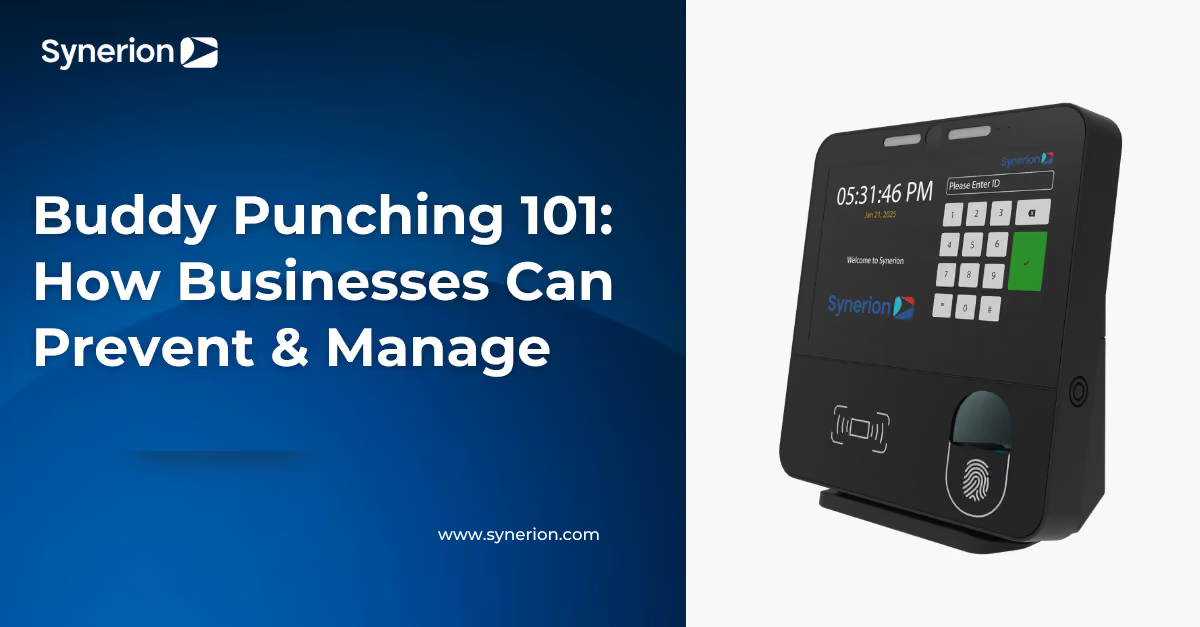
Buddy Punching 101: How Businesses Can Prevent & Manage

Imagine paying employees for time they didn't actually work and not even knowing it. That's what happens when buddy punching goes unnoticed.
Buddy punching may seem harmless, but even one "favor" on the time clock can quickly add up to real costs. If you manage a team, knowing how buddy punching happens and how to stop it can help protect your workforce and your budget.
Main Takeaways:
- Buddy punching is a common form of time theft that creates false time records. Even small "favors" can lead to real payroll, compliance, and trust issues.
- Buddy punching often happens because of weak systems and unclear expectations. Outdated tools, low visibility, and poor policies make it easier to hide.
- The most effective prevention combines secure tools and strong practices. Technology, clear rules, and operational controls work best together.
- Handling buddy punching fairly matters as much as stopping it. Consistent enforcement and good documentation protect both the business and employees.
What Is Buddy Punching?
Buddy punching happens when one employee clocks in or out for another employee. This common form of time theft is usually done using a shared PIN, badge, or timecard. When this happens, the time record shows hours that were not actually worked, which leads to incorrect payroll.
So, what does buddy punching look like in real life? It happens when Employee A uses Employee B's login or badge to make it seem like Employee B is at work when they are not. This can happen with traditional punch clocks, online systems, or even paper timesheets.
The term "punch buddy" may sound harmless, but it breaks company timekeeping rules. Even when someone does it as a favor for a late coworker, it still creates false records and can lead to compliance problems.
Key points to understand:
- Intent: Often starts as helping a coworker, but becomes payroll fraud
- Impact: Raises labor costs and damages accurate workforce data
- Prevalence: Common in industries with hourly workers
How Buddy Punching Works

Knowing how buddy punching happens makes it easier to spot and stop. It usually happens when employees share or use each other's time clock information.
Clocking In for an Absent Coworker
One employee uses a coworker's badge, PIN, or login to clock them in at the start of a shift. The coworker may be late, stuck in traffic, or not coming in at all. Even though they are not there, the time record shows they arrived on time.
Clocking Out for Someone Who Left Early
Buddy punching can also happen at the end of a shift. If someone leaves early, a coworker may clock them out at the scheduled time. This makes it look like they worked a full shift when they did not. This often happens during shift changes.
How It Appears Legitimate in Time Records
Without extra checks, buddy punching is hard to detect. Basic time clock systems can't tell who actually made the punch. On paper, everything looks normal, with perfect start times and full hours worked.
Prevention Tip: Using biometric tools like fingerprint scans or facial recognition makes it impossible for employees to clock in or out for someone else.
Why Buddy Punching Is a Serious Problem for Businesses
Buddy punching causes more problems than just paying for time that wasn't worked. Its effects spread across your entire organization.
- Direct payroll losses: Businesses pay wages for time that wasn't actually worked, which adds up quickly across teams and shifts.
- Hidden cost over time: Even small amounts of time theft matter. For example, just 10 unworked minutes per shift can turn into dozens of paid hours each week across a workforce, resulting in thousands of dollars in extra payroll each year.
- Inaccurate workforce data: False punch records distort productivity reports, labor forecasts, and staffing decisions. Leaders may plan schedules or budgets based on data that doesn't reflect reality.
- Compliance and legal risk: Inaccurate time records can lead to labor law violations, audit findings, or wage disputes. Employers are often required to pay logged hours, even if the time was recorded incorrectly, making clear documentation and consistent enforcement essential.
- Culture and trust damage: When buddy punching goes unchecked, honest employees notice. This can lead to frustration, lower morale, and the sense that rules are not applied fairly.
Even though buddy punching is easy to miss, it can cost businesses a lot of money. U.S. companies lose an estimated $373 million each year due to buddy punching and other types of time theft. These losses come from higher payroll costs, bad workforce data, and lower productivity; many of which can be avoided with better controls.
Learn More About Employee Time Management
Buddy punching is often a symptom of larger workforce management issues. Learn how better time tracking and visibility improve fairness, accuracy, and productivity across your organization.
Explore Employee Management Insights
Common Causes of Buddy Punching

Buddy punching usually happens because of weak systems, not because employees plan to cheat. Knowing the main causes helps you fix the real problems instead of just the symptoms.
Outdated or Manual Time Clocks
Old punch cards, shared PINs, and badge systems make buddy punching easy. Without identity checks, employees can clock in for each other without being noticed. Many businesses don't realize how easy it is to misuse basic time clocks.
Limited Manager Visibility
Buddy punching is more common when managers can't clearly see who is actually at work. This often happens in large teams, multi-location businesses, or workplaces with remote or mobile employees. When no one is watching closely, the behavior can spread.
Attendance and Engagement Issues
Workplace culture plays a big role. Employees who struggle with punctuality or feel disengaged may be more likely to buddy punch. If management seems to ignore time violations, employees may see buddy punching as acceptable.
Common underlying factors include:
- Unrealistic schedules
- Transportation issues that cause lateness
- Little or no consequences for time violations
- Poor communication about timekeeping rules
How to Spot Buddy Punching in Your Time Records
Buddy punching is easier to prevent when you know what to look for. These common warning signs can help managers and payroll teams catch issues early.
- Perfect or near-perfect attendance: Employees always clock in exactly on time, even across different shifts or locations.
- Identical punch patterns: The same start and end times appear repeatedly, especially during shift changes.
- Frequent manual edits: Timecards are often adjusted after the fact, especially by the same person.
- One employee editing multiple records: A single coworker regularly updates or approves others' time.
- Location mismatches: Punches don't align with where the employee was scheduled to work.
- Unusual rounding patterns: Time regularly rounds up in consistent increments, such as 10 or 15 minutes.
How to Prevent Buddy Punching: 7 Best Practices

Preventing buddy punching takes more than a single tool or policy. The most effective approach combines secure technology, clear expectations, and practical workforce management practices that remove the opportunity—and motivation—for time theft.
1. Use Biometric Time Clocks
Biometric time clocks use fingerprints or facial recognition to confirm who is clocking in or out. Because these features are unique to each person, one employee cannot clock in for another.
Modern biometric systems are easy to use and cost-effective. They are one of the most reliable ways to prevent buddy punching.
Explore Secure Time & Attendance Tools
See how modern time and attendance software uses biometrics, geofencing, and automation to protect labor data and improve accuracy.
Discover Time & Attendance Software
2. Require Secure PIN Codes
If biometrics are not an option, strong PIN rules can help. Employees should use unique PINs, change them often, and never share them.
While PINs are not as secure as biometrics, strict PIN rules still make buddy punching harder and easier to detect.
3. Enable Photo Verification
Some time and attendance systems take a photo when an employee clocks in or out. These images create a clear record of who made the punch.
Photo verification adds accountability and often stops buddy punching on its own. Employees are less likely to break the rules when they know their actions are recorded.
4. Apply Geofencing for Mobile Punches
Geofencing limits clock-ins to approved locations. Employees can only punch in when they are physically at the job site.
This is especially helpful for remote teams, field workers, and businesses with multiple locations. It prevents employees from clocking in from home or other unauthorized places.
5. Add Operational Controls That Make Buddy Punching Harder
Technology works best when paired with strong internal controls. Limit who can edit or approve timecards, require manager approval for manual changes, and review edit logs regularly.
Alerts for unusual punch patterns and clear approval workflows close common gaps that buddy punching often exploits.
6. Educate Employees on Timekeeping Expectations
Clear communication about time tracking policies is essential to prevent buddy punching. Employees need to understand both the rules and why accurate timekeeping matters.
Effective education includes:
- Clear written policies in employee handbooks
- Timekeeping rules explained during onboarding
- Regular reminders about clock-in procedures
- Simple explanations of how buddy punching hurts the business and coworkers
7. Fix the Root Causes, Not Just the Symptoms
Buddy punching often points to deeper issues, not intentional fraud. Review schedules, grace periods, break policies, and manager coverage to reduce pressure on employees to bend the rules.
Realistic shift start times, clear attendance expectations, and consistent oversight make buddy punching far less likely to occur.
Implementation note: Build trust through transparency. Clearly explain why time tracking tools are used and how data is protected. This helps employees see them as tools for fairness, not surveillance.
How to Manage Buddy Punching When It Happens

Even with strong prevention measures in place, buddy punching can still occur. When it does, it's important to respond in a fair, consistent, and well-documented way.
Start by gathering clear evidence before taking action. This may include timekeeping system logs, photos, security footage, or approval records. Solid documentation protects both the business and the employees involved.
Next, speak privately with the employees. Explain the issue clearly and give them a chance to share their perspective. In some cases, the behavior may stem from misunderstanding timekeeping rules rather than intentional misconduct.
Follow your company's disciplinary process consistently. Match the response to the severity and frequency of the issue, ranging from coaching or a verbal warning to stronger action for repeated violations.
Finally, document every step you take. Clear records show that the situation was handled fairly and help guide future decisions if similar issues arise.
Important note: Consistent enforcement of timekeeping policies builds trust. Employees are more likely to respect rules when they see them applied fairly across the organization.
Prevent Buddy Punching With Synerion
Stop paying for time that was never worked. Synerion helps organizations eliminate buddy punching with secure, automated time tracking built for complex workforces.
Stop Buddy Punching Before It Hurts Your Workforce With Synerion
Buddy punching affects more than just your payroll. It weakens trust between employees, distorts performance data, and creates compliance risks. The good news is that modern workforce management tools make it much easier to stop buddy punching and improve time tracking accuracy.
Strong prevention starts with secure time collection. Tools like biometric clocks, geofencing, and photo verification help ensure employees can only clock in for themselves. These methods create a reliable system for honest and accurate time tracking.
Synerion's workforce management solutions help prevent buddy punching with enterprise-level security at mid-market pricing. Our flexible platform includes biometric time clocks, mobile verification, and real-time monitoring to stop time theft before it becomes a bigger problem.
Ready to reduce time theft and simplify workforce management? Book a demo to see how Synerion can help protect your business and support your employees.
FAQs About Buddy Punching
What does "buddy punching" mean in the workplace?
Buddy punching is when one employee clocks in or out for another employee who is not actually there. This creates false time records and leads to employees being paid for time they didn't work.
Is buddy punching illegal?
Buddy punching is not always treated as a criminal offense, but it is a form of wage theft. It breaks company policies and can violate labor laws. In serious cases, it can lead to termination or legal consequences.
What are the most effective ways to prevent buddy punching?
The best ways to prevent buddy punching include using biometric time clocks, location-based mobile punches, and photo verification at clock-in. Clear timekeeping rules and consistent enforcement also help stop the problem.